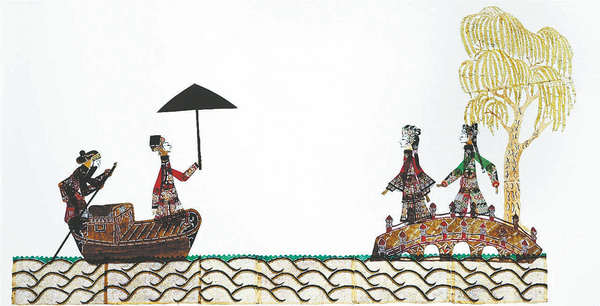
Chinese Shadow Puppetry
Introduction
Chinese Shadow Puppetry, also known as "shadow play" and "lamp shadow show," is a traditional Chinese folk drama form that employs colorful silhouette figures made from leather or paper, manipulated by skilled artists. This ancient art combines storytelling and visual aesthetics, creating an engaging performance that reflects China's rich cultural heritage.
Shadow puppetry is practiced across China with distinct regional styles, including those from Shaanxi, Hebei, Sichuan and Guangdong provinces. Each region contributes unique operatic tunes, puppet designs and performance techniques, which enhance the diversity of this traditional art form.
In 2011, Chinese shadow puppetry was inscribed on the UNESCO Representative List of the Intangible Cultural Heritage of Humanity, recognizing its cultural importance.
Historical Background
Chinese shadow puppetry has a history spanning over 2,000 years, with its origins traced back to the Western Han Dynasty (206 BC – AD 24). It gained popularity during the Tang (618-907) and peaked during the Ming (1368-1644) and Qing (1644-1911) dynasties. Throughout history, this art form has been a significant method for disseminating cultural values, social beliefs and historical narratives. The skills involved in creating and performing shadow puppetry have been carefully preserved through family lines, troupes, and master-to-apprentice teaching methods.
Cultural Significance
As a carrier of China's intangible cultural heritage, shadow puppetry serves as a medium for educating and entertaining communities. It involves manipulating intricate puppets behind a translucent screen illuminated from behind, accompanied by music and storytelling in regional dialects or tunes.
Despite its historical significance, shadow puppetry faced a decline in popularity with the advent of modern entertainment forms like films and television in the late 20th century. This decline prompted efforts to revitalize the art through education programs in universities and innovative showcases, such as the integration of VR technology to attract younger audiences.
Modern Development
The integration of modern technology has opened new avenues for shadow puppetry. The development of VR experiences by institutions like the China Institute of Art Science & Technology has introduced this ancient art to tech-savvy audiences, enhancing its appeal and accessibility. Additionally, exhibitions and digital archives are being used to preserve and showcase the intricate craftsmanship involved in shadow puppet creation and performance.
Artists like Liu Aibang and Xue Hongquan have contributed significantly to the preservation and evolution of shadow puppetry. Liu Aibang, a 71-year-old performer, has been pivotal in teaching the art at educational institutions, while Xue Hongquan, known for blending traditional shadow puppetry with modern art forms like ballet and pop music, has expanded the reach of this heritage. These efforts highlight the adaptability of shadow puppetry and its potential for contemporary relevance.








